

What if the place meant to care for your loved one becomes the source of their suffering? Disturbing reports reveal that over 10% of U.S. care facilities face abuse citations annually. When trust is broken, families need actionable answers—and justice.
Elder mistreatment can take many forms: unexplained injuries, emotional withdrawal, or sudden financial changes. Tragically, those harmed in these settings face a 300% higher risk of premature death. Federal laws like the Elder Justice Act exist to protect residents, but proving negligence requires skilled legal guidance.
Specialized advocates help families uncover evidence, identify liable parties, and secure compensation for medical costs or pain. Many firms offer free case reviews, removing financial barriers to justice. Call (855) 264-6310 today to discuss your situation confidentially.
Key Takeaways
- Legal support is critical for proving neglect in care facilities
- Signs of mistreatment include physical injuries and sudden behavioral changes
- Free consultations help families understand their options
- Multiple parties can be held accountable for unsafe conditions
- Compensation may cover medical bills and emotional distress
: Understanding Nursing Home Injury and Abuse Cases
Elder mistreatment in care settings remains a critical yet often hidden issue. Clear definitions help families recognize violations and take action.
Defining Abuse, Neglect, and Injury
Abuse involves intentional harm through physical force, emotional manipulation, or financial exploitation. Examples include staff slamming residents against walls or stealing credit cards.
Neglect occurs when facilities fail to meet basic needs. Bedsores from unchanged bedding or dehydration from withheld water bottles show systemic failures.
Injuries often result from negligence. Broken hips from unsupervised falls or sepsis from untreated wounds demonstrate preventable harm.
Current Data on Elder Mistreatment
The World Health Organization reports 2 in 3 care staff admit to abusive actions yearly. Neglect accounts for 58% of cases nationwide.
Over 40,000 incidents occur annually in Indiana alone – only 7% get reported. This underreporting leaves vulnerable adults at 300% higher mortality risk.
Financial exploitation impacts 1 in 18 seniors, while emotional abuse affects 33% of residents. Recognizing these patterns helps build strong legal cases.
: The Role of a Nursing Home Injury Attorney
When families discover mistreatment in care environments, skilled professionals become essential allies. These advocates decode complex legal systems while protecting victims’ rights.
Benefits of Expert Legal Representation
Experienced lawyers streamline the path to justice. They secure critical evidence like surveillance footage or staff schedules that families might overlook. One Massachusetts family received $2 million after proving their loved one’s death resulted from ignored infection protocols.
Top firms handle everything from medical record analysis to witness interviews. This allows families to focus on emotional healing rather than paperwork. Many work on contingency fees, meaning clients pay nothing unless they win compensation.
Navigating Complex Regulations and Case Requirements
Specialized attorneys understand overlapping state and federal care standards. They identify facility violations of laws like the Nursing Home Reform Act, which mandates proper staffing ratios and hygiene practices.
Successful cases often involve:
- Reviewing inspection reports for recurring safety issues
- Proving direct links between negligence and injuries
- Calculating fair settlements covering therapy costs and pain
A Midwest firm recently secured $12 million for a client whose untreated bedsores led to life-threatening complications. Such outcomes demonstrate how legal expertise transforms systemic failures into accountability.
: Identifying Signs of Nursing Home Abuse and Neglect
Recognizing red flags in care environments requires careful observation. Many vulnerable individuals cannot speak up due to fear or cognitive challenges. Early detection often prevents irreversible harm.
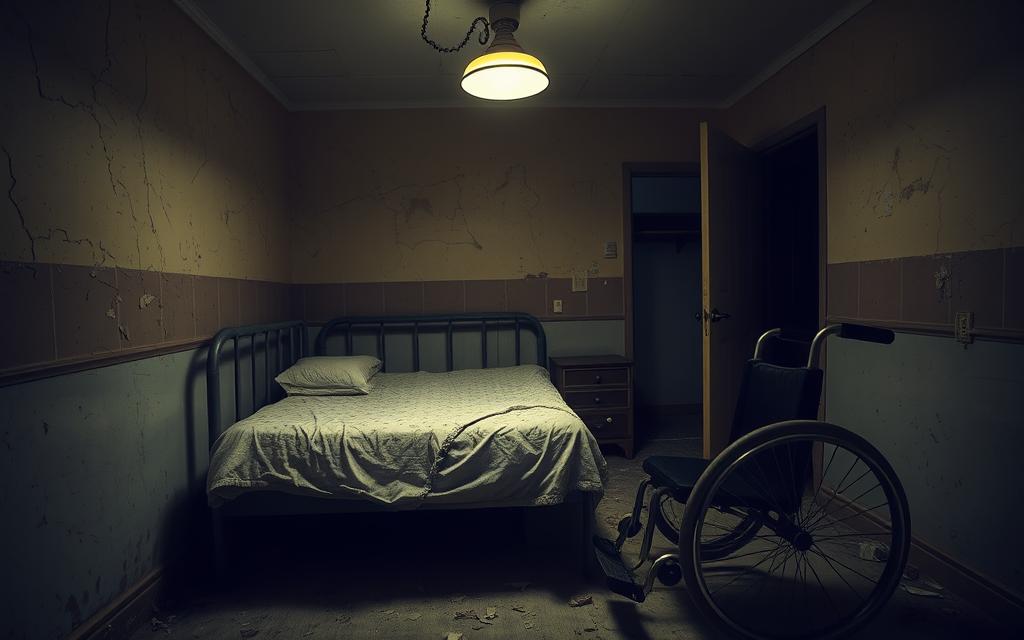
Physical and Emotional Indicators
Visible injuries like unexplained bruises or cuts demand immediate attention. Bedsores from prolonged immobility signal neglect, while untreated infections suggest medication mismanagement. Sudden weight loss often points to malnutrition.
Emotional changes can be equally telling. Withdrawal from family interactions or new anxiety around staff members may indicate psychological trauma. Look for unusual behaviors like rocking or mumbling that suggest untreated distress.
Financial and Neglect Warning Signals
Bank statements showing unauthorized withdrawals or altered wills require investigation. Missing jewelry or sudden property transfers often accompany exploitation cases. Nearly 1 in 5 cases involve financial manipulation by caregivers.
Facility neglect appears through poor hygiene practices or unchanged bedding. Residents left in soiled clothing for hours or denied mobility aids face preventable health risks. Document these patterns with photos and dates to strengthen legal claims.
Families noticing these signs should consult specialists in personal injury law. Many firms offer free evaluations to determine if care standards were violated. Prompt action protects both current and future assisted living residents from similar harm.
: Steps to Pursuing a Nursing Home Injury Lawsuit
Taking legal action after discovering mistreatment requires methodical preparation. Careful documentation and strategic planning often determine case outcomes.
Gathering Evidence and Filing Claims
Start by securing medical records showing untreated conditions. Incident reports and staff schedules help prove patterns of neglect. Photograph unsafe environments like wet floors or broken equipment.
Witness statements from visitors or other residents strengthen claims. Many cases require expert testimony to link negligence to specific injuries. Legal teams use this evidence to build timelines showing facility failures.
The Settlement and Trial Process
Most homes initially deny allegations. Skilled lawyer teams counter with documented proof during negotiations. About 68% of cases settle before trial through mediation.
If talks stall, lawsuits proceed through three phases:
- Filing formal complaints with state agencies
- Discovery processes exchanging evidence
- Possible jury trials lasting 3-7 days
Families should act quickly – most states impose 2-year deadlines for filing claims. Seasoned firms overcome common challenges like missing records or uncooperative staff.
Typical resolutions take 18-24 months. Compensation often covers medical bills, therapy costs, and emotional distress. Working with specialists ensures family priorities guide every decision.
: What to Expect from a Nursing Home Abuse Law Firm
Choosing the right legal team makes all the difference when addressing mistreatment in care environments. Top firms combine specialized knowledge with compassionate support to navigate complex cases effectively.

Experience, Specialization, and Communication
Leading firms focus exclusively on elder protection cases. They understand types of neglect like malnutrition or untreated falls, using medical experts to prove facility failures. One firm secured $12 million for bedsores caused by improper care.
Clear updates matter. Reputable teams provide 24/7 access and bilingual support. Clients always know their case status without delays.
Understanding Contingency Fees and Compensation
No-win, no-fee structures remove financial barriers. Families pay nothing unless compensation covers expenses like therapy or relocation costs. Over 90% of cases settle through this model.
| Key Advantage | Benefit | Example |
|---|---|---|
| Proven Results | Multi-million settlements | $500M+ recovered |
| Zero Upfront Costs | Contingency-based fees | Free case reviews |
| Full Support | Medical record analysis | 314+ successful cases |
Look for firms with geriatric care specialists on staff. Their expertise strengthens claims involving living condition violations or preventable injuries. Many offer free evaluations to assess your options confidentially.
: Key Legal Considerations in Elder Abuse Cases
Elder abuse cases hinge on navigating complex layers of regulation and evidentiary standards. Federal and state laws create overlapping protections, while proving fault requires meticulous documentation. Understanding these frameworks helps families hold facilities accountable.

Federal and State Regulations Impacting Care Facilities
The Nursing Home Reform Act mandates proper staffing ratios and infection control. Facilities must prevent hazards like falls or dehydration. Michigan’s Patient Bill of Rights guarantees dignity and access to medical care—violations often form case foundations.
| Regulation Type | Key Requirements | Enforcement |
|---|---|---|
| Federal | Older Americans Act protections | CMS inspections |
| State | Mandatory abuse reporting | Health department fines |
| Both | Documentation of care plans | Civil lawsuits |
Proving Negligence and Establishing Liability
Abuse attorneys must demonstrate four elements: duty of care, breach through actions like home neglect, causation linking failures to harm, and damages like medical costs. A Rhode Island case secured $2.2 million after proving untreated heart conditions caused preventable death.
Expert witnesses analyze records to show how dehydration or bedsores resulted from poor supervision. Surveillance footage and staff testimony often reveal patterns of home negligence. Most states allow three years to file claims—acting quickly preserves evidence.
Successful strategies include comparing facility logs with medical reports. For example, mismatched hydration records helped one family prove systemic failures. These methods transform vague suspicions into actionable legal arguments.
: Conclusion
Protecting vulnerable residents in care facilities requires both awareness and urgency. Recognizing signs like unexplained injuries, emotional withdrawal, or financial discrepancies can halt ongoing harm. Legal experts specializing in elder rights provide critical support to hold negligent parties accountable.
Immediate action improves outcomes. Families who suspect mistreatment should seek professional guidance without delay. Early intervention preserves evidence and strengthens claims for fair compensation.
Tennessee families can access tailored support through this comprehensive legal guide. Schedule a free case review today to explore your options confidentially. Every resident deserves dignity—take the first step toward justice now.



+ There are no comments
Add yours