

Ever thought about what happens if you get hurt at work but can’t do everything anymore? Permanent partial disability (PPD) is a big help for people facing health issues at work.
PPD is a special workers’ compensation that gives money to workers who can’t do everything but can do some work. It helps them keep their money safe after a big injury at work.
Knowing about PPD workers comp is key if you’ve been hurt at work. It shows that not all injuries stop you from working completely. Workers need help to get better and keep working.
Key Takeaways
- Permanent partial impairment provides financial support for injured workers
- PPD benefits help workers maintain income after workplace injuries
- Workers can do some job duties with permanent partial disability
- Each state has specific guidelines for determining PPD benefits
- Medical evaluations play a big role in disability classifications
Definition of Permanent Partial Disability
https://www.youtube.com/watch?v=OYU3j8r_8iM
Permanent Partial Disability (PPD) is a big deal in workers’ compensation. It affects thousands of workers every year. It means a person has a lasting injury that makes it hard to do their job.
What Does PPD Mean?
PPD happens when a job injury or illness leaves a permanent mark. It’s not as bad as total disability. People with PPD can do some work, but not as well as before.
Examples of Permanent Partial Disabilities
- Partial loss of hearing or vision
- Restricted limb movement
- Chronic pain conditions
- Partial nerve damage
The PPD Settlement Guide says these issues really affect a worker’s job. But they don’t stop them from working completely.
How It Differs from Total Disability
The Disability Rating Explained shows how PPD is different from total disability:
- Work Capacity: PPD lets people do some work
- Compensation: Benefits are usually lower
- Medical Assessment: Needs a detailed check
Knowing these differences helps workers understand their rights better.
Types of Permanent Partial Disabilities
Workers’ compensation systems have different types of permanent partial disabilities (PPD). These types help figure out how much money an injured worker gets. It’s important for workers to know these types to get fair compensation.
There are two main types of permanent partial disabilities. They are scheduled and unscheduled injuries. These types help make sure everyone gets treated fairly in workers’ compensation cases.
Scheduled Injuries
Scheduled injuries are about specific body parts. They have set times for benefits. These include:
- Limb injuries (arms, legs)
- Hand and foot disabilities
- Vision or hearing loss
- Finger or toe amputations
Unscheduled Injuries
Unscheduled injuries affect whole body systems. They don’t have set times for benefits. These cases need more detailed looks at PPD Benefits Charts.
- Back injuries
- Respiratory system damage
- Neurological impairments
- Chronic pain conditions
Common Injury Examples
| Injury Type | Typical Impairment Rating | Potential Compensation Range |
|---|---|---|
| Carpal Tunnel Syndrome | 5-15% | $5,000 – $25,000 |
| Knee Injury | 10-30% | $15,000 – $50,000 |
| Lower Back Strain | 5-20% | $10,000 – $35,000 |
How much money an injury gets depends on many things. These include how bad the injury is, how it affects work, and state laws.
Criteria for Classification
Figuring out if someone has a Permanent Partial Disability (PPD) is complex. It looks at many important things. Workers need to know how doctors and lawyers decide this.
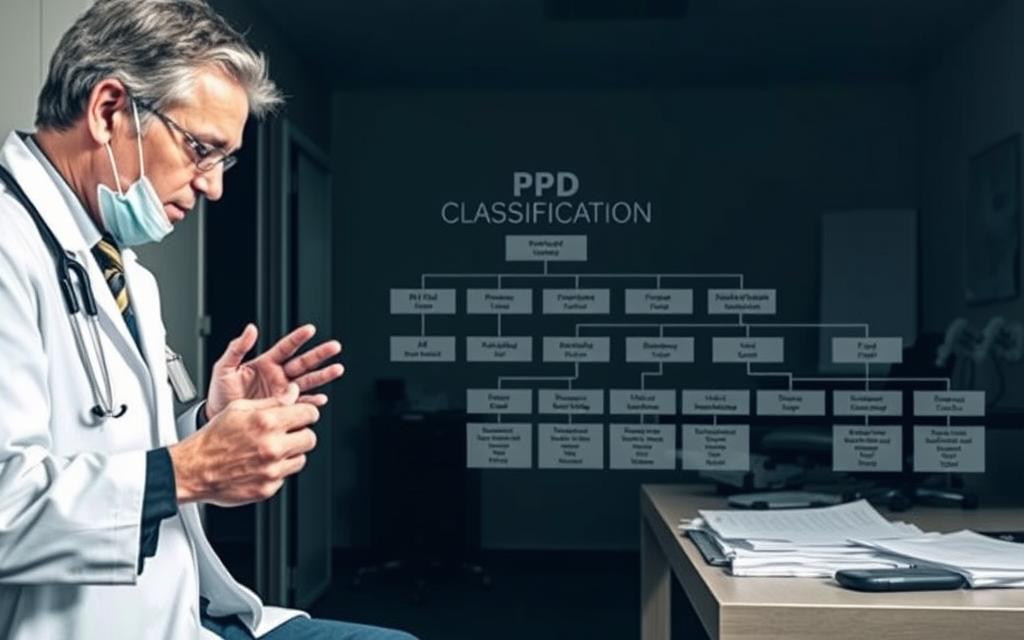
The process has several main parts. These help figure out how much a disability affects someone:
- Comprehensive medical assessments
- Detailed injury documentation
- Professional medical expert evaluations
- Legal framework compliance
Medical Evaluations: The Foundation of PPD Determination
Doctors are key in deciding PPD. They do detailed checks to see how much a disability affects someone. These checks include:
- Physical capability assessments
- Neurological examinations
- Diagnostic imaging reviews
- Functional capacity evaluations
Legal Guidelines and Compensation
It’s important to know the difference between PPD and Total Disability for workers. Legal rules help make sure disabilities are judged fairly. This way, everyone gets treated the same.
Worker’s Compensation System Role
The worker’s compensation system helps a lot. It makes sure disabilities are classified right. Each state has its own rules for PPD assessment and compensation.
Benefits of Permanent Partial Disability
Understanding Permanent Partial Disability (PPD) can be tough. Knowing the benefits is key for those with long-term injuries. The Permanent Disability Guide helps explain how to keep your finances stable and quality of life good.
Financial Compensation Strategies
PPD Lump Sum payments are a big help for injured workers. The amount you get depends on a few things:
- How bad the disability is
- Your pre-injury average weekly wage
- The rating from your doctor
- Which body part is hurt
Disability Benefit Levels Explained
There are different ways to get compensation. Here’s what you might get:
| Disability Classification | Compensation Range | Payment Type |
|---|---|---|
| Mild Impairment | 20-30% of pre-injury wage | Periodic payments |
| Moderate Impairment | 40-60% of pre-injury wage | Lump sum or structured settlement |
| Significant Impairment | 70-90% of pre-injury wage | Long-term periodic payments |
Vocational Rehabilitation Services
There’s more than just money help. Injured workers get access to important vocational services. These programs help you:
- Learn new job skills
- Find new career paths
- Get help finding a job
- Get special training
Impact on Daily Life
PPD benefits do more than just pay bills. They help keep your independence, dignity, and job chances after an injury.
Filing a Claim
Finding your way through workers compensation ratings can be tough. It’s key to know the PPD state guidelines well. This helps you file your claim right and get the benefits you need.

When you file for permanent partial disability (PPD), you must be very careful. The steps you take are very important. They can greatly affect how much you get in compensation.
Essential Steps to Take
- Right away, tell your boss about the injury
- Get a full medical check-up
- Keep track of all your medical care and any work limits
- Talk to a workers’ compensation expert
- Send in your claim to the state’s workers’ compensation board
Required Documentation
| Document Type | Purpose |
|---|---|
| Medical Records | Show how bad the injury is and how it has changed you |
| Employer Incident Report | Proof that you got hurt at work |
| Treatment Verification | Proof you’re getting the medical care you need |
| Wage Loss Documentation | Proof of how much money you lost because of the injury |
Common Mistakes to Avoid
- Don’t wait too long to tell your boss about the injury
- Make sure your medical records are complete
- Don’t miss important deadlines for filing
- Always do what your doctor tells you to do
Knowing about workers comp ratings and PPD state rules can really help. Each state has its own rules. So, it’s smart to get help from someone who knows the system well.
Understanding Impairment Ratings
Work injuries are complex. Impairment ratings are key to figuring out how much money workers get. These ratings help figure out how much damage a work injury has caused.

An impairment rating is a doctor’s report on how much damage a work injury has done. It looks at both physical and mental damage. The Functional Capacity Exam is important for this. It helps doctors see how well someone can do their job.
What Determines an Impairment Rating?
Many things help figure out an impairment rating:
- Medical examination results
- How bad the injury is
- How it affects someone’s ability to do things
- If there might be more problems later
The Calculation Process
Doctors use rules to figure out impairment ratings. These ratings are very important. They decide how much money someone gets for their injury.
| Rating Percentage | Compensation Impact | Typical Scenarios |
|---|---|---|
| 0-10% | Minimal Impact | Minor physical limitations |
| 11-25% | Moderate Compensation | Partial work restrictions |
| 26-50% | Significant Compensation | Substantial functional limitations |
| 51-100% | Maximum Compensation | Severe functional impairment |
Importance of Accurate Ratings
Getting the right impairment rating is very important. It makes sure workers get fair pay. Workers should keep good records of their injuries. They should also work with doctors to get a rating that shows their true limitations.
Legal Rights and Protections
Understanding workers’ rights is hard for people with permanent partial disabilities (PPD). Knowing your legal rights is key. It helps ensure you get fair treatment and the right pay at work.
Workers’ Rights in Disability Cases
Disability percent ratings are very important. They help decide how much a worker’s rights are. People with PPD have many laws to protect their jobs and pay.
- Protection against workplace discrimination
- Right to reasonable workplace accommodations
- Continued employment opportunities
- Fair compensation based on disability ratings
State-Specific Regulations
What counts as PPD changes from state to state. Laws about disability benefits and worker rights are different everywhere.
| State | PPD Coverage | Maximum Benefit Duration |
|---|---|---|
| California | Comprehensive | Up to 2 years |
| Texas | Moderate | Up to 18 months |
| New York | Extensive | Up to 2.5 years |
Role of Legal Representation
A good workers’ compensation lawyer is very helpful. They make sure workers get the most benefits and protection.
Talking to a lawyer who knows PPD cases is smart. They can explain your rights, fight unfair decisions, and help you get the right pay for your injury.
Impact of Permanent Partial Disability on Employment
Getting a job after a permanent partial disability (PPD) is hard. Workers’ compensation ratings and disability levels help know what jobs you can get.
The PPD timeline for workers comp is tough for keeping a job. Knowing about workplace changes is key to keeping your job.
Job Retention Strategies
To keep your job, talk openly and plan ahead. Important steps include:
- Talking with bosses about what you can do
- Knowing your rights at work
- Keeping records of doctor’s job change ideas
- Looking for new jobs in your company
Workplace Accommodations and Adjustments
Workplace changes help you keep working. These might be:
- Changing your desk for better health
- Working hours that fit you better
- Doing less physical work
- Using special tools to help you
Re-entering the Workforce
To get back to work, plan well and get help. Here are some ways:
| Strategy | Description |
|---|---|
| Vocational Rehabilitation | Learning new skills for different jobs |
| Skills Assessment | Finding skills that can be used in new jobs |
| Job Search Support | Help finding jobs for people with disabilities |
Managing your PPD timeline and knowing about workers comp ratings helps you make good job choices.
Resources for Individuals with Disabilities
Life with a permanent partial disability (PPD) can be tough. But, there are many resources to help. Knowing about the PPD check amount and support systems can really help.
People with PPD can find many ways to get better support. This can improve their life quality and give them the help they need.
Government Assistance Programs
The federal government has important support programs for those with PPD:
- Social Security Disability Insurance (SSDI)
- Supplemental Security Income (SSI)
- Medicare and Medicaid support
- Vocational rehabilitation services
Nonprofit Organizations
There are many nonprofits that help people with disabilities. They offer more than just PPD support:
- American Association of People with Disabilities (AAPD)
- National Disability Rights Network
- Disability Rights Advocates
Support Groups and Communities
Meeting others who know what it’s like to have PPD is very helpful:
| Type of Support | Benefits |
|---|---|
| Online Communities | 24/7 access, wide geographic reach |
| Local Support Groups | Face-to-face interaction, personal connections |
| Professional Counseling | Specialized emotional and practical guidance |
These resources offer practical support, emotional guidance, and financial help. They are for people living with a permanent partial disability.
Conclusion: Moving Forward with Confidence
Life with a permanent partial disability (PPD) needs courage, smart planning, and action. The PPD Settlement Guide helps understand workers’ rights and deal with long-term disability. It’s key to moving forward.
Adjusting to new situations is vital for those with PPD. The Permanent Disability Guide shows the value of personal growth and keeping professional pride. Getting medical help, job training, and legal support can lead to success and good jobs.
Personal Empowerment Strategies
PPD Workers Rights protect people from unfair treatment and give them important help. Building a strong support team, including doctors, rehab experts, and lawyers, is important. Knowing about benefits and job changes helps keep independence and growth.
Future Planning
Recovery and adjusting take time and effort. Using professional help, finding new jobs, and staying positive can lead to a good life. Every step forward builds strength and new beginnings.


+ There are no comments
Add yours