

Ever thought about when treatment stops trying to fix you and starts just keeping you stable? Maximum Medical Improvement (MMI) is a big deal in your health journey. It changes how you see getting better.
So, what is MMI? It’s a key moment when your health stops getting better from treatment. It doesn’t mean you’re fully healed. It means you’ve reached the best health you can right now.
MMI is more than just a medical term. It’s a big moment that affects your care, legal stuff, and how you recover. Knowing about MMI helps patients deal with the healthcare and legal systems better.
Key Takeaways
- MMI indicates the point of maximum medical recovery
- Ongoing treatment may continue after reaching MMI
- MMI is important for legal and insurance reasons
- Patients can get maintenance treatments even after MMI
- MMI doesn’t always mean you’re fully healed
Understanding Maximum Medical Improvement (MMI)
Maximum Medical Improvement (MMI) is a key moment in medical care and workers comp. It’s when an injured worker’s health has stopped getting worse. It won’t get much better with more treatment.
Definition of MMI
In medical and legal terms, MMI is when a patient’s health has reached its best point. For workers comp, it means the person has healed as much as they can from their injury. Doctors decide this after checking the patient’s progress and if they can get better.
Importance of MMI in Recovery
- Helps establish end of treatment workers comp benefits
- Determines possible disability ratings
- Guides future medical care planning
- Influences compensation and settlement decisions
MMI is key in workers comp. It helps doctors and insurance understand the injury’s long-term effects. They can then plan the right treatment.
MMI in Different Medical Contexts
| Medical Context | MMI Significance |
|---|---|
| Workers Compensation | Determines ongoing benefits and possible permanent disability |
| Personal Injury | Helps figure out total medical costs and future care needs |
| Rehabilitation | Shows when to move from active treatment to maintenance care |
Knowing MMI is vital for patients, doctors, and lawyers. It helps them understand medical recovery and compensation.
Stages of Recovery Leading to MMI
The journey to Maximum Medical Improvement (MMI) is different for everyone. Knowing the workers comp timeline helps patients understand their recovery. Doctors watch over several key stages as patients get better.
Recovery goes through three main phases. Each phase is important for reaching MMI:
Acute Phase of Injury
The acute phase starts right after an injury. Doctors work hard during this time to:
- Keep the patient stable
- Stop more harm
- Control pain and swelling
- Do first medical checks
Rehabilitation Phase
When healing starts, patients move to the rehabilitation phase. This stage is key for getting back to normal. Doctors focus on helping patients regain function and move better.
- Physical therapy sessions
- Special treatments
- Exercises to build strength and mobility
- Regular check-ups
Transition to MMI
Getting to MMI is a detailed process. It depends on how fast a person heals. Doctors usually say a patient is at MMI after at least six months.
| Patient Age Group | Average MMI Timeline | Complexity Factor |
|---|---|---|
| Young Adults (18-35) | 6-12 months | Lower |
| Middle-Aged Adults (36-55) | 12-18 months | Moderate |
| Older Adults (56+) | 18-24 months | Higher |
Note: Recovery times can vary a lot. This depends on the injury, health, and how well treatment works.
How Is MMI Determined?
Figuring out Maximum Medical Improvement (MMI) is very important. It means a big step in a patient’s healing. Doctors look at more than just if the patient is better.
Doctors are key in saying when a patient is at MMI. They use many steps and special ways to check:
- Comprehensive medical examinations
- Review of treatment progress
- Functional capacity evaluation
- Detailed medical documentation
Role of Medical Professionals in MMI Assessment
Doctors do deep checks to find when a patient is fully recovered. The MMI letter from the doctor shows the patient’s health now and what they might need later.
Critical Assessment Tools
Doctors use different tools to check a patient’s health:
- Physical examination
- Diagnostic imaging
- Specialized medical tests
- Functional capacity evaluation
Key Factors Influencing MMI Determination
Many things affect when MMI is decided:
- Nature and severity of the injury
- Patient’s overall health status
- Response to previous treatments
- Potential for future medical interventions
MMI is not just a simple yes or no. It’s a detailed medical decision that needs a lot of thought and skill.
MMI vs. Full Recovery: What’s the Difference?
Reaching Maximum Medical Improvement (MMI) doesn’t mean you’re fully healed. It’s important to know the difference between MMI and full recovery. This helps patients on their healing path.

At MMI, doctors check how much you can do after your injury. They give you a MMI disability rating. This rating shows how much you can’t do anymore. It also helps figure out what you might need in the future.
Understanding Full Recovery
Full recovery means going back to how you were before the injury. But, this isn’t always possible. The MMI rating shows what you can’t do now and what might be hard in the future.
- Complete restoration of previous functionality
- No residual medical complications
- Full range of motion restored
Partial Recovery and Its Implications
Being permanently disabled after MMI can change your life a lot. The MMI rating helps figure out what you can and can’t do. It also shows what you might need to do in the future.
| Recovery Stage | Characteristics | Potential Outcomes |
|---|---|---|
| Full Recovery | 100% return to pre-injury condition | No lasting limitations |
| Partial Recovery | Residual functional limitations | Potential work modifications |
| MMI with Impairment | Permanent medical rating assigned | Ongoing medical management |
It’s key for patients to talk to their doctors about MMI ratings. This helps them plan for any ongoing challenges.
The Impact of MMI on Legal Cases
Legal cases about work injuries and personal claims are closely tied to Maximum Medical Improvement (MMI). It’s key for injured workers to know how MMI works in legal battles.
When an employee hits MMI, legal things start to happen. This can change how much money they get and their future benefits.
MMI in Personal Injury Claims
Personal injury claims change a lot when MMI is reached. The MMI timeline is very important for figuring out settlements and long-term money help.
- It sets a medical standard for injury checks.
- It gives solid medical proof for court cases.
- It helps figure out how much money might be owed.
Workers’ Compensation Case Implications
In workers’ comp cases, MMI is a big deal. It decides what medical care and disability help will be needed. Lawyers look at the medical facts to support the injured worker’s claims.
| MMI Stage | Legal Implications | Potential Outcomes |
|---|---|---|
| Pre-MMI | Ongoing medical treatment | Temporary disability benefits |
| Reached MMI | Settlement negotiations | Permanent disability evaluation |
| Post-MMI | Final compensation determination | Potential vocational rehabilitation |
Injured workers need to team up with lawyers to get through the MMI process. Knowing how medical checks and legal actions work together can really help with getting the right compensation and recovery.
When Does MMI Occur?
Knowing when you’ll reach Maximum Medical Improvement (MMI) is key for workers comp claims. The time it takes can change a lot. This depends on the injury’s type and how bad it is.
Reaching MMI isn’t the same for everyone. Different injuries need different times to heal and get checked by doctors.
Typical Timelines for Different Injury Types
Doctors look at a few important things when figuring out MMI time:
- How bad the injury is
- If treatments work well
- How fast you heal
- How complex the treatment is
For most injuries, MMI is reached in 12 to 24 months. But, neck and back injuries might take longer, up to two years.
Exceptions to Standard MMI Timelines
Some injuries might get to MMI sooner or later than others. Things that can change this include:
- How fast you get medical help
- Your overall health
- How complex the treatment is
MMI workers comp checks if you’ve reached the best you can get from medical help. It doesn’t mean you’re fully healed.
| Injury Type | Typical MMI Timeline | Complexity |
|---|---|---|
| Minor Soft Tissue Injuries | 6-12 months | Low |
| Moderate Orthopedic Injuries | 12-18 months | Medium |
| Severe Back/Neck Injuries | 18-24 months | High |
Always talk to doctors and workers comp experts. They can help you understand your MMI timeline and what to expect.
The Consequences of Reaching MMI
Reaching Maximum Medical Improvement (MMI) is a big deal. It changes how you get medical help and benefits. It’s important for people with injuries.
When you hit MMI, big changes happen. You move from getting better to managing your health. You might also start thinking about getting money for your injury.
Transitioning Treatment Plans
Medical care changes after MMI. You go from trying to get better to keeping things stable. You might see:
- More focus on managing pain
- Keeping your current health level
- Less doctor visits
Impact on Disability Benefits
The MMI decision is very important. It decides if you get permanent disability benefits. Doctors check:
- How much you’re physically limited
- If you can work
- If you’re eligible for long-term benefits
It’s key to keep track of your health and talk to doctors and lawyers. They can help you understand MMI’s impact.
Possible Outcomes After MMI
Reaching MMI doesn’t mean your health journey is over. It’s important to know what happens next. This is true for those dealing with workers comp and long-term health.
When you hit MMI, many things can happen. Doctors will guide you on your health path. They’ll help plan your care for the future.
Exploring Further Treatment Options
After MMI, you might need more treatments:
- Maintenance therapy to stop things from getting worse
- Pain management plans
- Adaptive equipment suggestions
- Watching chronic conditions closely
Potential for Additional Injuries
Be ready for new problems after MMI. Chronic conditions like arthritis can show up in old injury spots. You’ll need to watch them closely.
Managing your health after MMI is key. Here’s what to do:
- Go to regular doctor visits
- Keep track of how your symptoms change
- Write down any new or bad symptoms
- See specialists for full care
MMI is a big step in getting better, but it’s not the end. Stay active in your health. Keep in touch with your doctors to face future challenges.
The Psychological Aspect of MMI
Reaching Maximum Medical Improvement (MMI) is a big deal. It’s not just about getting better physically. It’s also about healing your mind and learning to adapt.
Going through the MMI process can be tough. People may feel many emotions. These feelings can test how strong they are inside.
Mental Health Considerations
The MMI can affect your mind in different ways:
- Grief over permanent physical limitations
- Anxiety about future employment and capabilities
- Depression related to lifestyle changes
- Potential loss of professional identity
Coping With the Transition
MMI rights include help for your mental health. Here are some ways to cope:
- Seek professional counseling or therapy
- Join support groups for individuals with similar experiences
- Practice mindfulness and acceptance techniques
- Develop new personal and professional goals
Mental health experts are key in this journey. They help you see things differently. They help you build strength and find new paths after MMI. This journey is personal, tough, but also changes you for the better.
Common Misconceptions About MMI
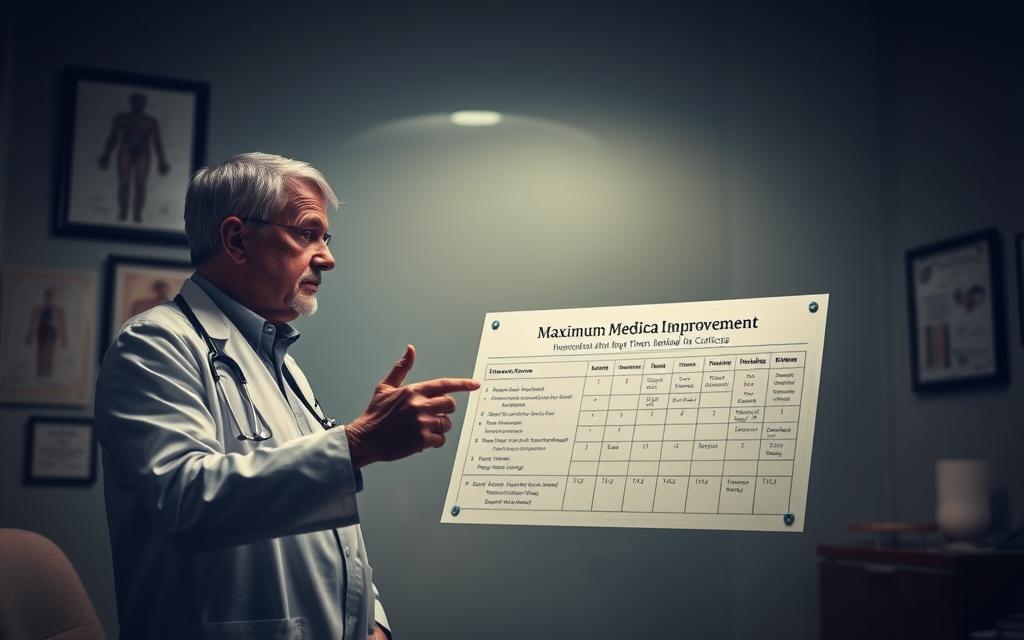
Many people find it hard to understand Maximum Medical Improvement (MMI). Misconceptions about MMI can confuse and set wrong hopes during recovery.
When we talk about MMI, people often get it wrong. MMI is not when you’re fully healed. It’s when you’ve reached a point where you won’t get much better.
Misunderstanding the Concept
Some common wrong ideas about MMI include:
- Complete Recovery Myth: People think MMI means you’re fully healed, but that’s not true
- Assuming no more medical help is needed
- Thinking MMI means you get disability benefits
- Believing MMI means no more medical care
Clarifying Mismatched Expectations
Doctors know MMI is a big step in getting better, not the end. It doesn’t mean you stop seeing doctors. Some might need ongoing care or treatments.
Talking clearly with doctors and lawyers helps avoid MMI misunderstandings. Patients should ask lots of questions about their health and future treatments.
Preparing for an MMI Evaluation
Going through a Maximum Medical Improvement (MMI) evaluation can be tough. Getting ready well is important. It helps make sure your health and recovery are fully checked.
Knowing what to expect in your MMI evaluation can make you feel less stressed. It also makes your assessment more useful. The functional capacity evaluation is key in figuring out your health status.
What to Expect During the Evaluation
Your doctor will do a detailed check to see if you’ve reached MMI. This usually includes:
- Looking over your medical history
- Doing a physical check-up
- Testing how well you can function
- Seeing if treatments worked
Documentation to Bring
It’s important to have the right papers when a doctor says you’ve reached MMI. Make sure to bring:
- All your medical records
- Notes from past treatments
- Results from any tests
- A list of your medicines
- An MMI letter from your doctor (if you have one)
Tip: Put all your medical stuff in one folder. It helps keep things organized. It shows you’re serious about knowing about your health recovery.
Next Steps After Achieving MMI

Reaching MMI is a big step in your recovery. After MMI, what happens next is very important. It’s a time to plan for your future health and growth.
The final stage of workers comp often means looking at what you can do now. Knowing your MMI compensation timeline helps set realistic goals for the future.
Setting New Recovery Goals
Setting goals after MMI needs careful thought. Think about your current abilities. Here are some steps to consider:
- Evaluate your current functional limitations
- Consult with medical professionals about possible adaptations
- Explore vocational rehabilitation options
- Create realistic personal development objectives
Resources for Continued Support
There are many ways to get help after MMI:
- Medical Support Groups: Meet others who are going through similar things
- Vocational Counseling Services
- Physical Therapy Maintenance Programs
- Mental Health Support Networks
Your recovery journey doesn’t stop at MMI. It’s just the beginning. Taking charge of this new chapter can lead to great personal growth.
Conclusion: Importance of Understanding MMI
Knowing about Maximum Medical Improvement (MMI) is key when you’re getting medical treatment and might have legal claims. MMI is when doctors say you’ve healed as much as you can. It’s a big moment in your healing journey.
MMI is very important in workers comp cases. It means you’ve reached a point where you can start planning your next steps. You might need more treatment or talk about getting compensation. Doctors must carefully check your health to say you’ve reached MMI.
Key Takeaways
Everyone’s healing is different. MMI helps you understand your treatment better. It lets you know what to do next for your health and maybe even for money you might get.
Encouragement for Recovery Journey
Your healing journey is strong and keeps changing. MMI might seem hard, but it’s a chance to plan ahead. Get help from doctors, lawyers, and friends to move forward in your healing.



+ There are no comments
Add yours